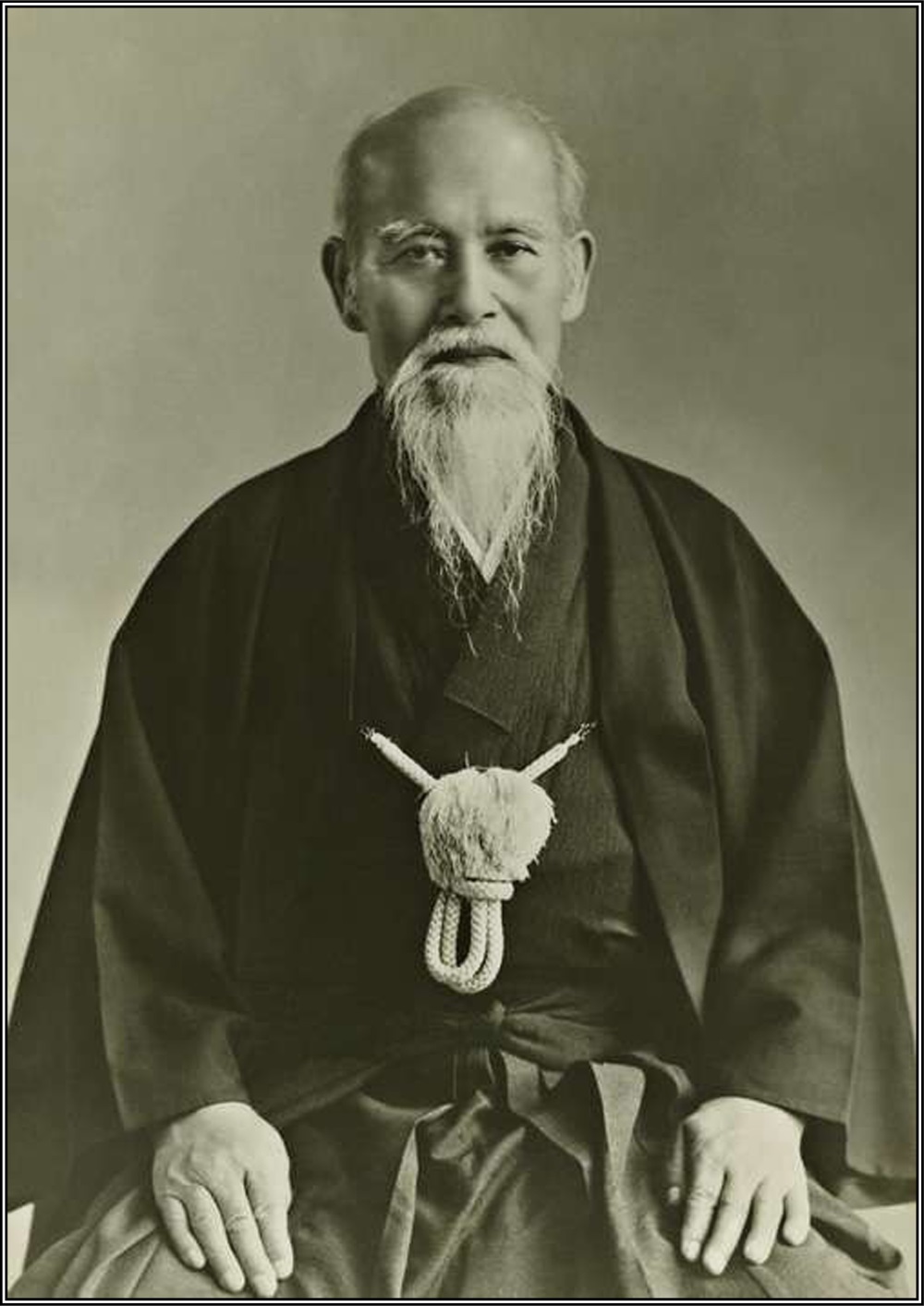
Aikido (Aikidō) is a modern Japanese martial art developed by Morihei Ueshiba which incorporates joint-lock and throwing techniques. These techniques are applied in self-defense with the intent of not injuring or causing only minimal damage to the attacker.
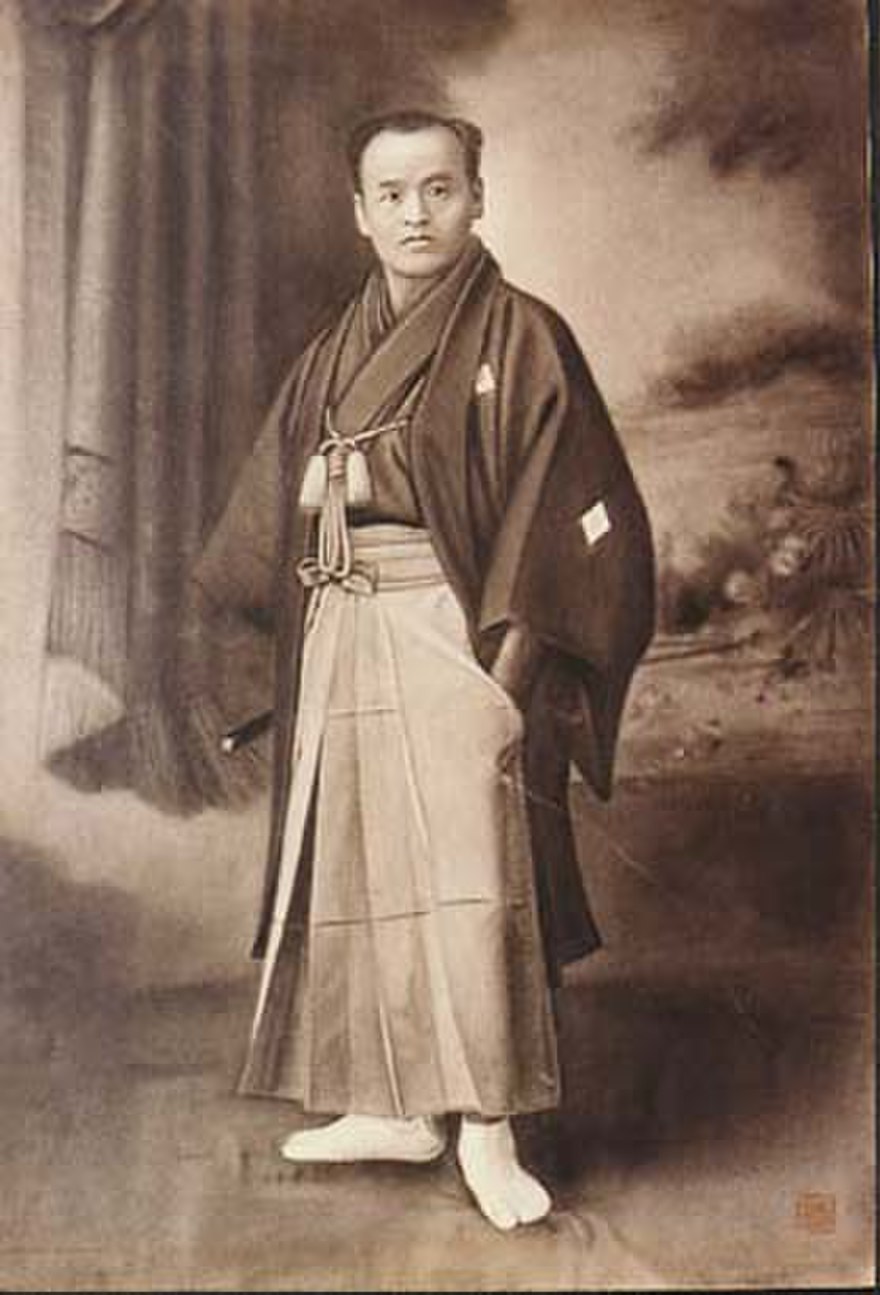
The techniques of Aikido are derived mainly from the Daitō-Ryū Aiki-jūjutsu martial art of Sōkaku Takeda. The art evolved gradually during the late 1920s and 1930s under various names. Its modern name was officially adopted in 1942 as a result of the reorganization of Japanese martial arts by the Dai Nihon Butōkukai (Greater Japan Martial Virtues Society). The emergence of Aikido as a major martial art and its spread outside Japan took place after World War II.
The use of circular motions and the unlimited variety of techniques make Aikido a total martial art that can be practiced for one’s whole life. Fundamental techniques are studied thoroughly in order to achieve a deep understanding of those techniques and their underlying meanings. This leads naturally to the study of other more advanced techniques and to a greater understanding of ourselves. This helps make Yōseikan aikido effective, stimulating and rewarding.
Yōseikan Budō Aikido also includes additional training in the basic elements of Karate and Jūdō. This helps to refine techniques by defending against partners who practice delivering a variety of realistic attacks, in the way that Aikido was taught before the Second World War (Ueshiba’s Aikido transformed itself after the Second World War and in the process distanced itself from Karate and Jūdō).
Words of Morihei Ueshiba
- Aikido teaches you how to respect others, and how not to behave in a rude manner. It is not easy to live up to the ideals of Aikido but we must do so at all costs – otherwise our training is in vain.
- In Aikido we never attack. If you want to strike first, to gain advantage over someone, that is proof your training is insufficient, and it is really yourself who has been defeated. Let your partner attack, and use his agression against him. Do not cower from an attack; control it before it begins. Nonviolence is the true practice of Aikido.
- The practice of Aikido is an act of faith, a belief in the power of nonviolence. It is not a type of rigid discipline or empty ascetism. It is a path that follows the principles of nature, principles that must be applied to daily living. Aikido should be practiced from the time you rise to greet the morning to the time you retire at night.
- Study and practice, and then reflect on your progress. Aikido is the art of learning deeply, the art of knowing oneself.
- Keep your hands, hips, and feet in a straight line and your body and mind centered. Your hands are the key to systematically guiding and controlling your partner. If your partner pulls, let him pull, but become one with that pull yourself. In training, discern that which the opponent lacks and then supply it.
- A technique that is based only on physical force is weak; a technique based on spiritual power is strong.
- The purpose of Aikido training is not to make you simply stronger or tougher than others; it is to make you a warrior for world peace.
- In true budo there are no opponents, no enemies. In true budo we seek to be one with all things. The Way of a Warrior is not to destroy and kill but to foster life, to continually create.
- Never consider yourself all knowing master. You must always be training and studying with your partners.
- Train hard, experience the light and warmth of Aikido, and be a real person. Train more, and learn the principles of nature. Aikido is becoming established all over, but it will have a different expression in each place it takes root. Continually adapt its teachings and create a beautiful, pure land.